



A real functioning sacred structure is a material expression of a specific tradition, philosophy, world-view ideals, values, and an understandable world order, which performs the function assigned to it. Stones are perfect for this due to their durability, ability to receive, store, and transmit information (especially those containing quartz additives).
Examples of sacred architecture of various cultures include churches, chapels, wayside shrines, Buddhist stupas, pagodas, Hindu temples, pyramids, as well as prehistoric megalithic structures made of field stones. Often, all the mentioned above were built following the instructions of Wise men precisely, at a specifically chosen time. In order to build a sacred structure it is not enough to have good architectural solutions and diligent workers. In order for these multi-functional sacred structures to work, it is also necessary to take care of their energetic quality. Various stone structures were widespread on every continent already in prehistoric times. They have also been built in Lithuania from ancient times to the present.
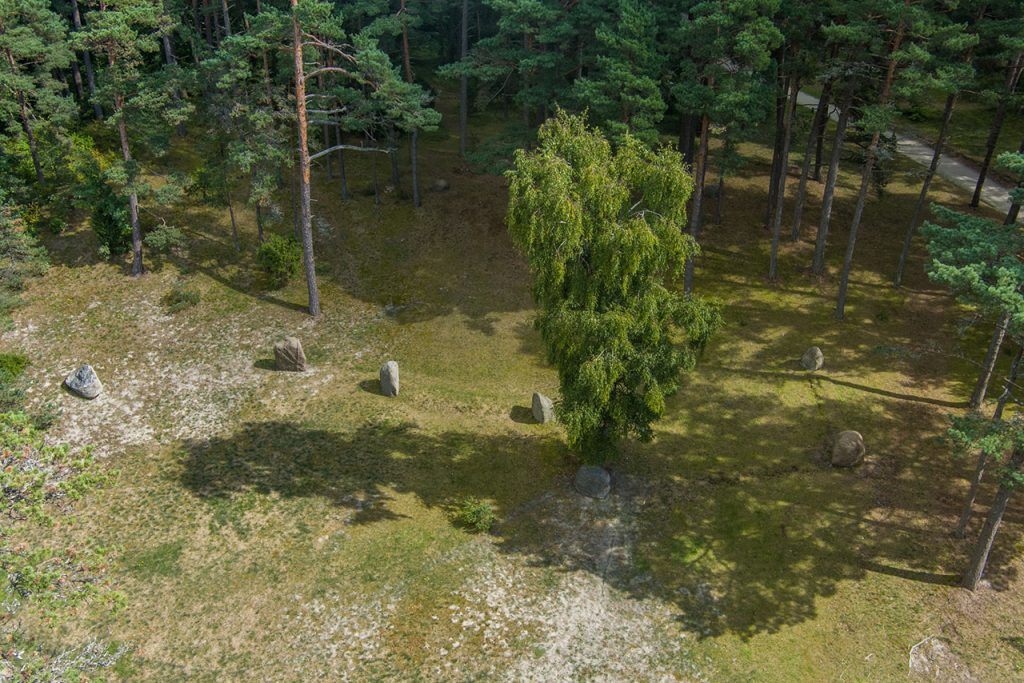
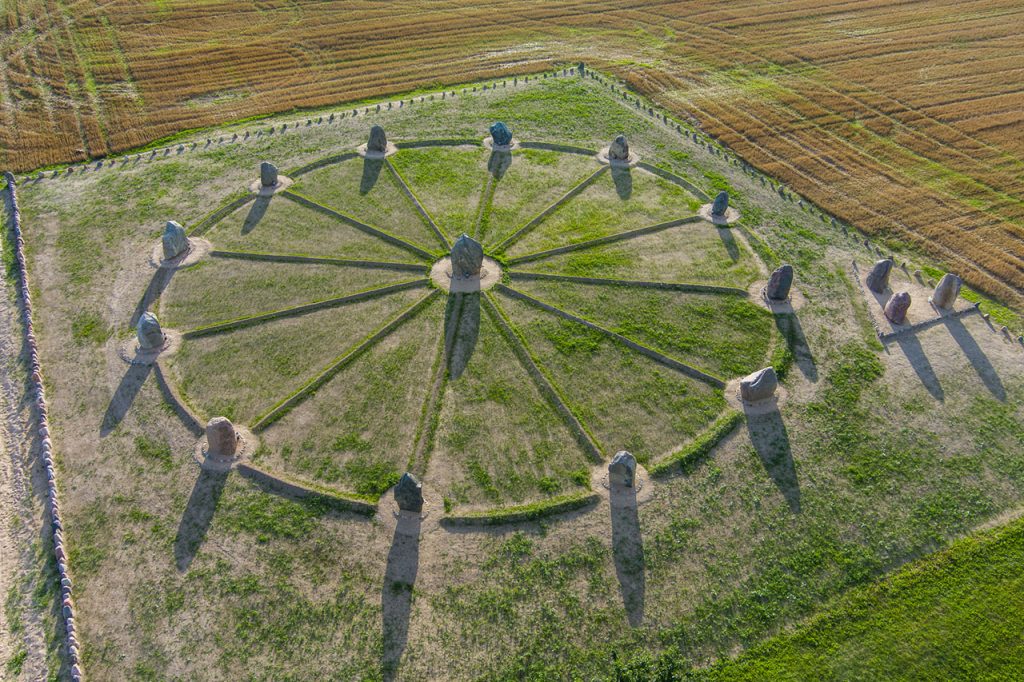
In 2007, after the publication of the book “Field Stones” by Audrone and Petras Ilgevicius, many Lithuanians fell in love with stones again and began to place them near their homes or in public places. This is a beautiful practice that has aesthetic, cognitive, and ethnographic value, helping everyone to touch the legacy of their ancestors to the extent that the person himself is open to it. However, we could call sacred those structures that were built in accordance with the rules for building sacred structures (more information can be found here). Such are the three structures “Ursa Major”, built in Palanga, Kaltanenai (Svenčionys district) and Piliakalniai village (Vilkaviskis district), the Flower of Love and Peace in Ruosciai village (Kedainiai district), as well as the Audrone and Petras Ilgeviciai Ethnocosmogonic Complex of Sacred Fieldstone Structures in Azusiliai (Moletai district).